Operation Dynamo Archive montage featuring evacuation ships, soldiers, wartime photographs, maps and naval records
ADMIRALTY ARCHIVE • PUBLIC RECORD

Welcome to the Operation Dynamo Archive

Digitising the people, ships, and stories of the Dunkirk evacuation (May–June 1940).

HISTORICAL BRIEF

About Operation Dynamo and the Dunkirk Evacuation

Operation Dynamo was the Allied evacuation from Dunkirk between 26 May and 4 June 1940. Naval vessels, merchant ships and hundreds of smaller craft worked under extraordinary conditions to carry servicemen away from the beaches and harbour. Their combined effort became one of the defining maritime episodes of the Second World War.

The Operation Dynamo Archive brings together searchable Dunkirk records concerning ships, naval personnel, civilian crews, gallantry awards and surviving documents. Browse the Dunkirk Little Ships and larger vessels, identify people recorded in wartime reports, and examine evidence that helps separate historical fact from later myth.

INTERACTIVE RECORD MAP

Ship movements drawn from the records

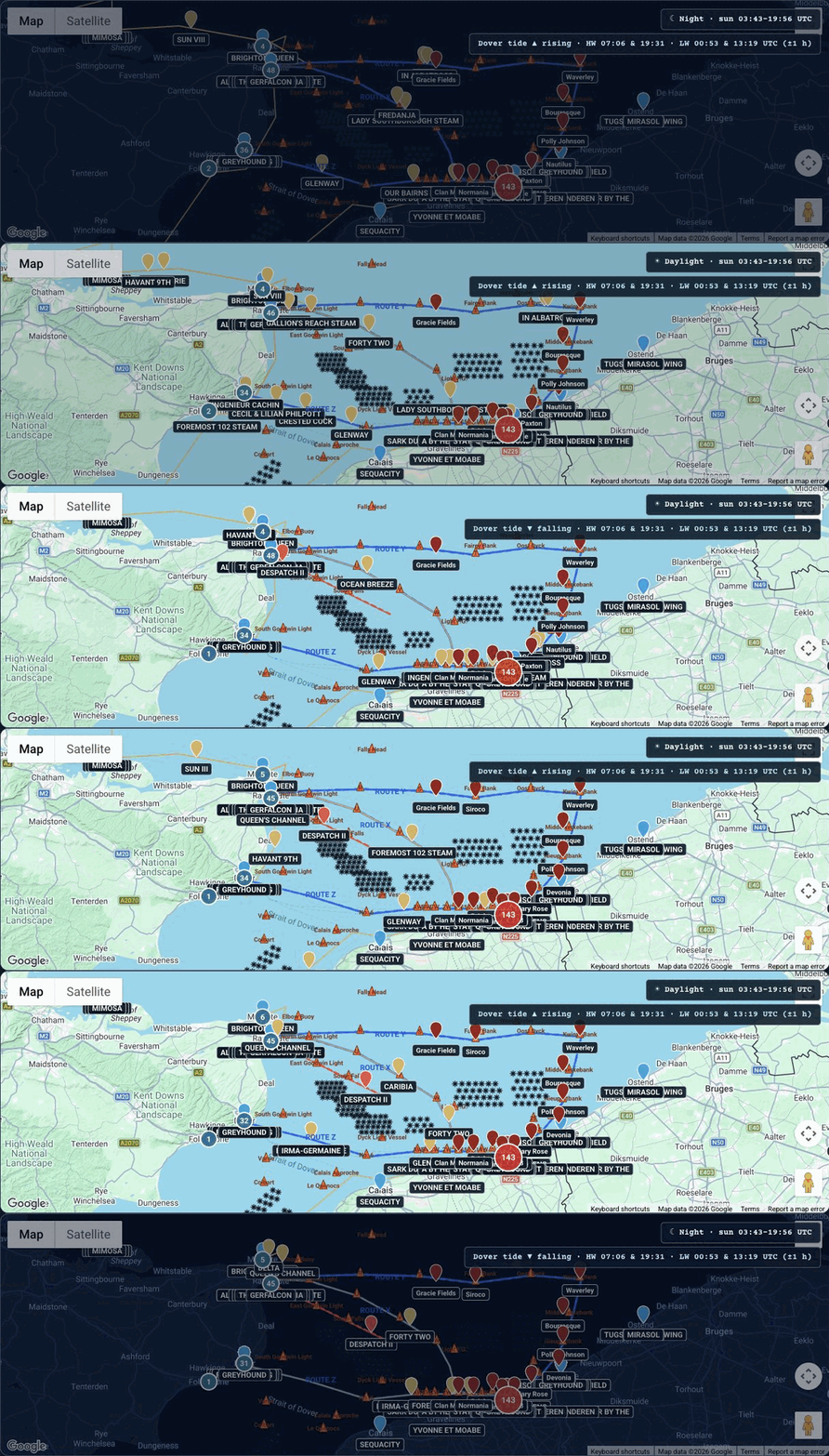
Our interactive map brings together 92 recorded voyages, 10 unsuccessful attempts and 406 known-port logs for 438 vessels during the evacuation. It also plots or indexes 188 vessels recorded as lost. Follow ships through time, compare vessels operating in company, and open linked archive records to inspect the evidence behind a movement.

Routes, timings and historical positions are reconstructed from surviving records and may be approximate. A mapped association is a research finding aid, not proof of an exact track or position.

Explore the interactive map
Interactive Operation Dynamo map showing evacuation routes X, Y and Z across the Channel between Ramsgate, Dover and Dunkirk with ship movements, minefields and loss positions
ARCHIVE STATISTICS

Operation Dynamo records at a glance

These live figures are calculated from the current searchable database. Nationality and vessel-type totals use the classifications recorded in the underlying source documents, while the overall ship total combines the principal vessel collections. They describe indexed records and associations—not a definitive count of ships or people who participated.

Total ships
2,559
French ships
76
Dutch ships
5
Tugs
49
Fishing vessels
116
Destroyers
44
Recorded officers
585
Recorded civilians
124

These personnel figures do not represent everyone who took part in Operation Dynamo. They count only individuals for whom records are currently held in this database. “Recorded officers” and “recorded civilians” are keyword classifications derived from the available rank/rating fields, which may be incomplete, historically inconsistent or recorded differently between sources.

01 / VESSELS

Ship Logs

Logs from destroyers, trawlers, and paddle steamers that supported the evacuation.

02 / PERSONNEL

Individuals

Officers, enlisted men and civilians mentioned in the archives.

03 / HONOURS

Award Recommendations

Digitised citations for DSCs and Mentions in Despatches.

04 / T.124 REGISTER

T.124 Agreements

People recorded as signing on for Operation Dynamo under a T.124 agreement.

05 / FILES

Collections

View the specific searchable collections.

06 / FLEET DATA

Unique Ships by Type

Distinct vessel names grouped by type from our independently compiled searchable Orde index. It is a research finding aid assembled from factual references and limited transcriptions, not a reproduction of the complete underlying document or proof that every listed vessel participated.

07 / SEARCH

Advanced Search

Perform an advanced search across multiple collections.

Personnel by Role and Service Branch

This stacked bar chart shows the distribution of personnel roles across the main naval service branches recorded in Orde’s report.

Personnel Count by Rank or Rating

Counts use the indexed rank or rating, with Sub-Lieutenants identified from S/Lt in the personnel entry.

Records with a stated rank/rating: 892

Officers
Cdr 66
Lt. Cdr 23
Lt 318
Sub Lt 171
Midshipman 7
Ratings
PO 128
Signalman 22
Ord 26
W/T Op 1
Civilians
Skipper 104
Mate 13
2nd Hand 6
Deckhand 7

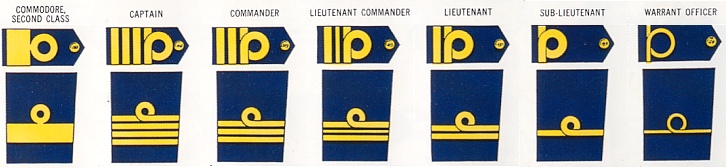
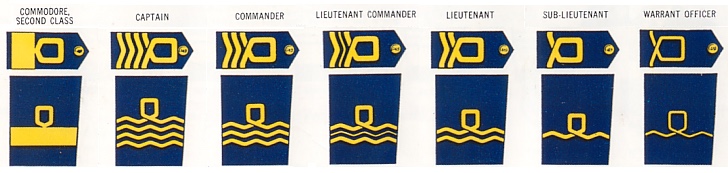
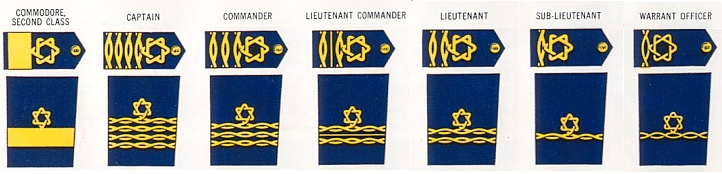
Officer Ranks

Contemporary Royal Navy officer rank and sleeve insignia.

Royal Navy Officers
Royal Navy officer rank and sleeve badges
Royal Navy Volunteer Reserve Officers
Royal Navy Volunteer Reserve officer rank and sleeve badges
Royal Naval Reserve Officers
Royal Naval Reserve officer rank and sleeve badges
Additional Ranks
Badges of Petty Officers and Ratings

Royal Navy and Reserve trade, specialist, good-service and rating badges.

Extracted from Rank and Badges in the Navy, Army, R.A.F. and Auxiliaries (1943).

Personnel by Role and Service Branch

A breakdown of individuals listed in Lieutenant Colonel G.P. Orde’s report by their recorded role and branch.

Service Branch Role Count
RNS/Lt42
RNLt38
RNLt Cdr33
RNCdr21
RNUnknown10
RNRLt39
RNRTemp Lt2
RNRUnknown3
RNVRLt46
RNVRS/Lt62
RNVRUnknown5
UnknownUnknown280
UnknownMaster104
UnknownAble Seaman116
UnknownCaptain107
UnknownDeckhand32
UnknownEngineer46
UnknownSignaller30
UnknownOwner/Master (Civil)38
UnknownPO24
UnknownSkipper/Crew20
UnknownERA14
UnknownOrdinary Seaman13
UnknownSeaman12
UnknownMedical Officer5
UnknownLeading Stoker7
UnknownRadio Officer6
UnknownStoker5
HONOURS & AWARDS

Award Records

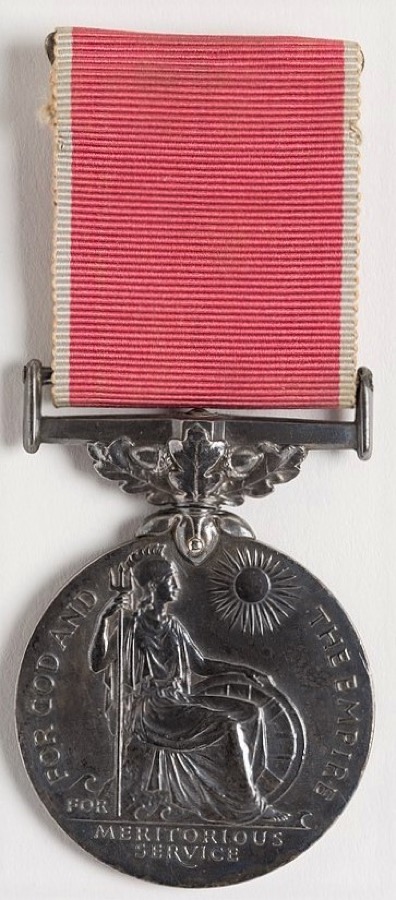
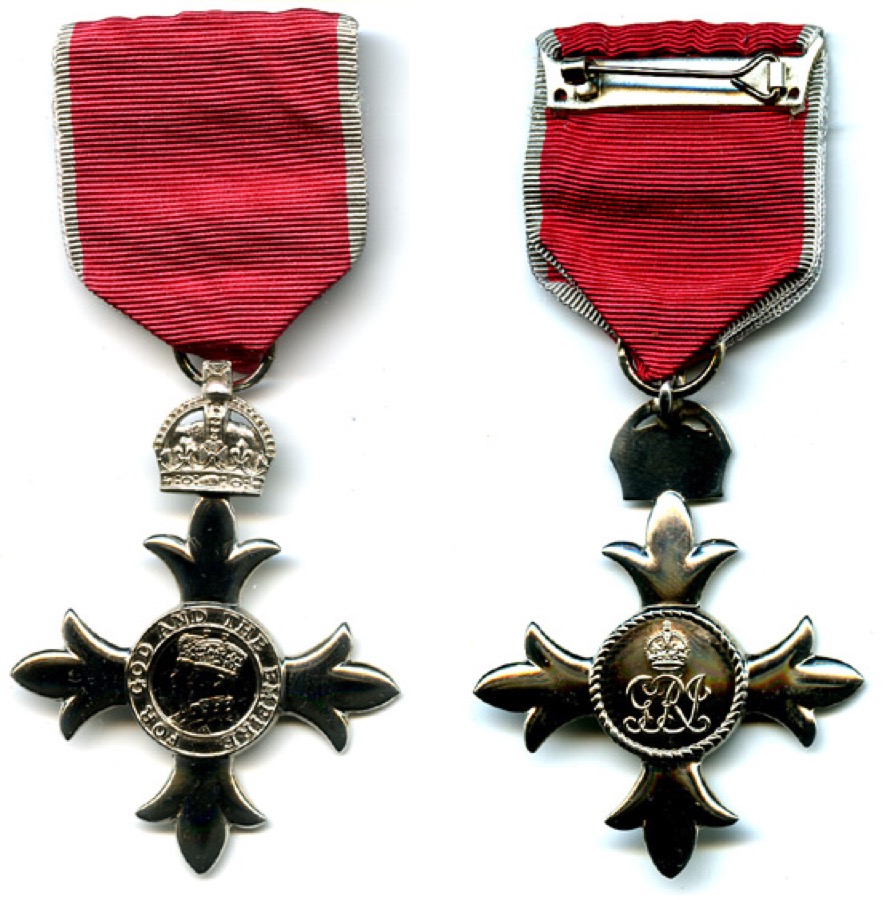
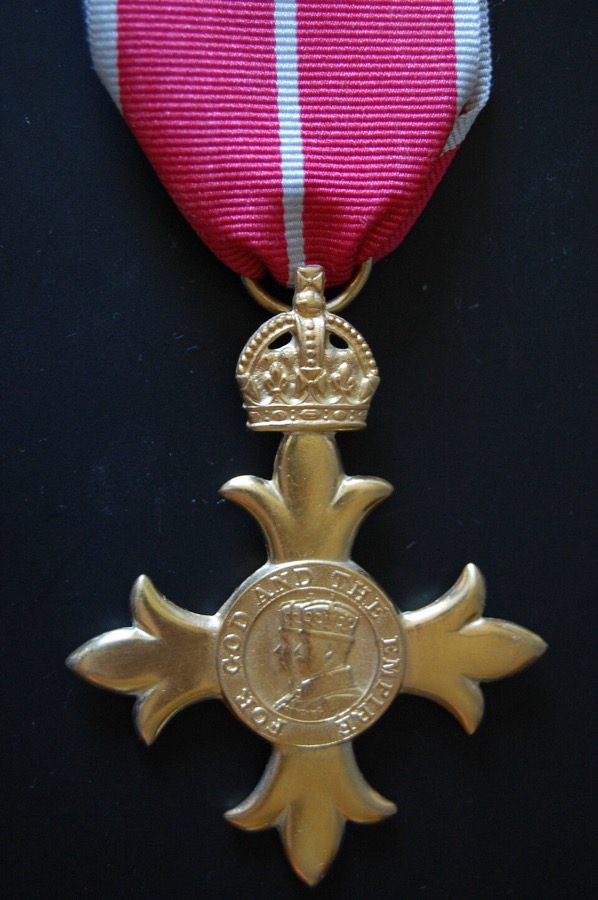
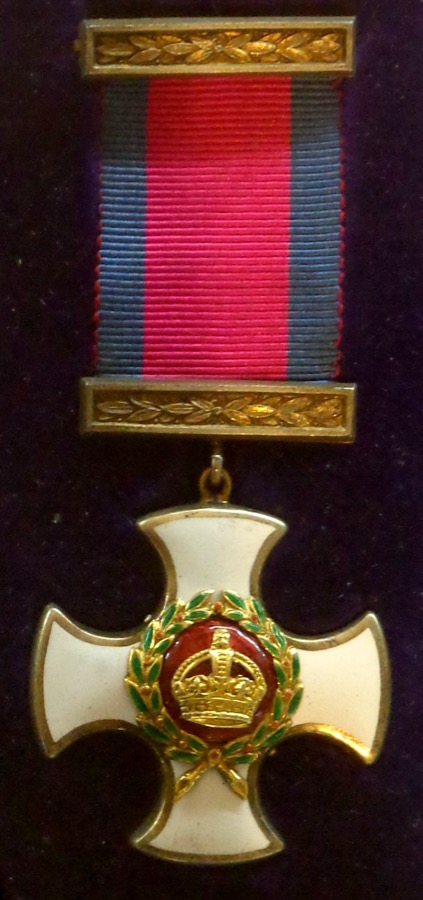
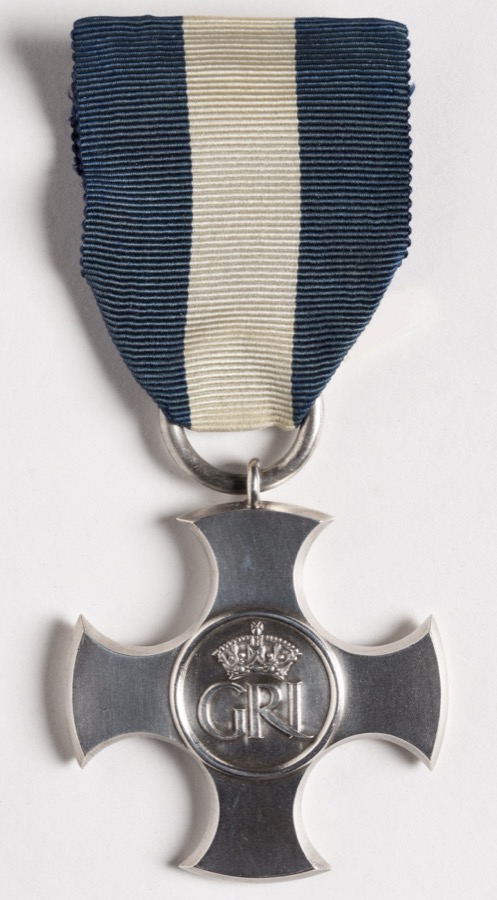
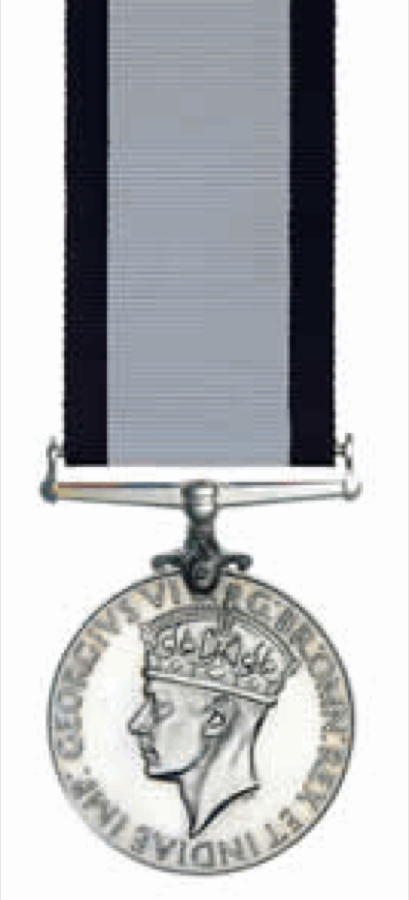
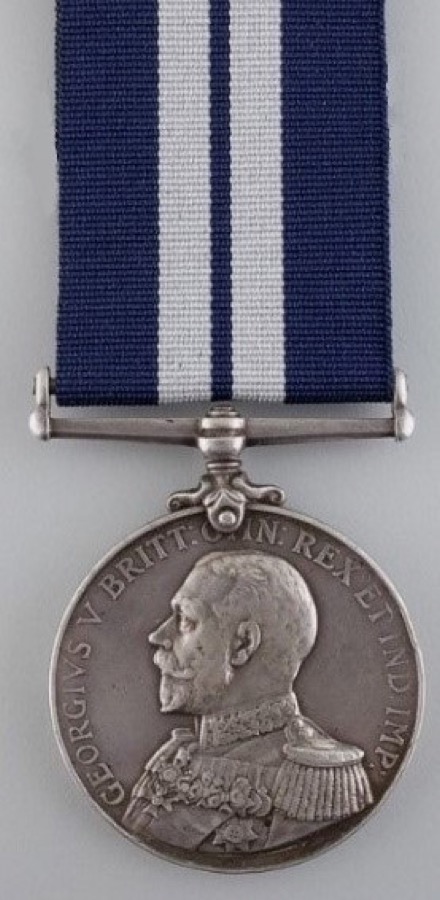
This section lists the officers, ratings, and civilians who were recognised for gallantry or distinguished service during the Dunkirk evacuation and related naval operations. In total, 329 individuals were Mentioned in Despatches, alongside formal awards of the Distinguished Service Medal (D.S.M, 177), Distinguished Service Cross (D.S.C, 99), and Distinguished Service Order (D.S.O, 21). Other decorations include the British Empire Medal (B.E.M, 6)—with one civil award—the Member of the Order of the British Empire (M.B.E, 3), the Conspicuous Gallantry Medal (C.G.M, 3), and single awards such as the Croix de Guerre, an honorary O.B.E (Civil), and a unique Battle Honour. A small number also received bars to existing decorations, denoting a second act of bravery or distinguished service. Together, these honours represent the extraordinary courage and devotion to duty shown by those who took part in Operation Dynamo.

Awards & Mentions — Counts by Category

STORIES SECTION

Remarkable Log Books from Operation Dynamo

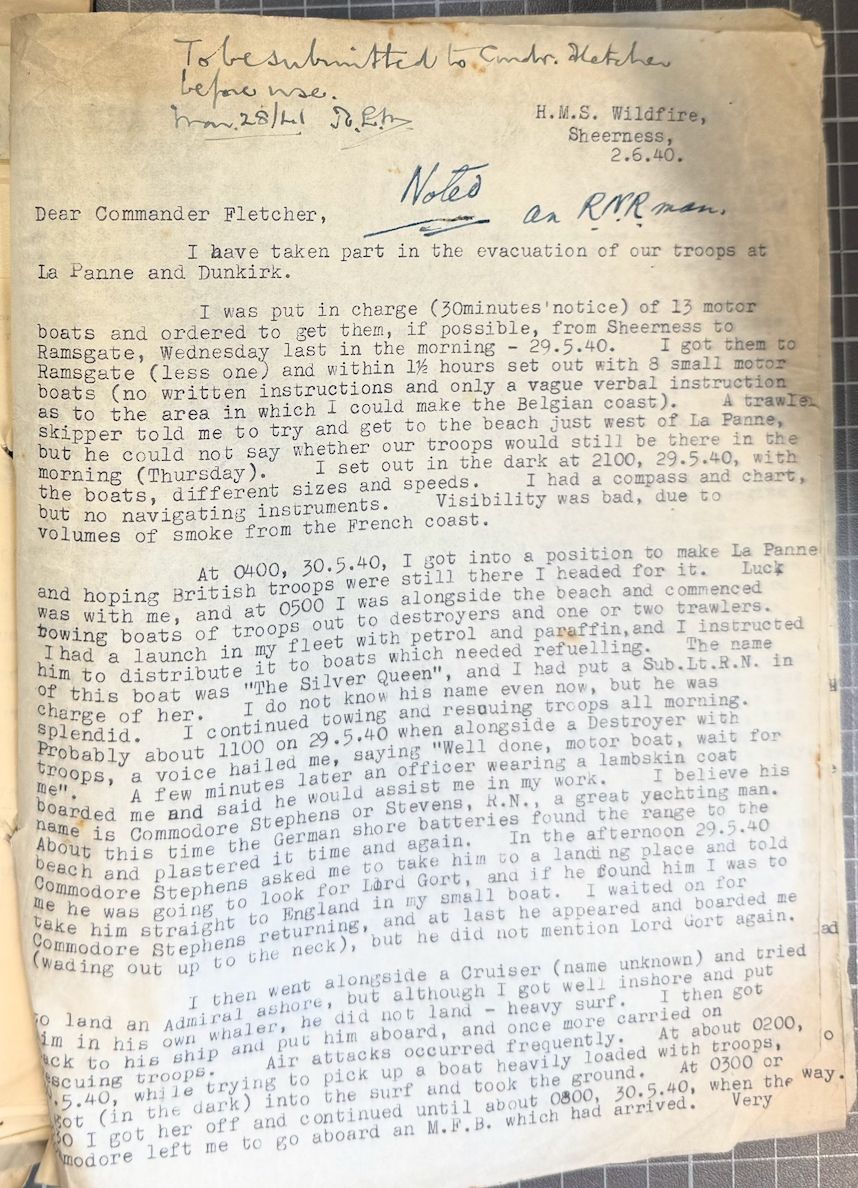
A new stories section brings together original wartime log-book pages, typed transcriptions and research notes so that the most vivid accounts from Dynamo can be read alongside the source image.

Original page 1 of Lt. R. N. Irving’s La Panne and Dunkirk launch account, dated 2 June 1940.
INDEXED SOURCES

Indexed sources

An indexed source is a structured research aid compiled from a source document. Selected facts are organised into consistent fields and categories, while related references are aggregated or summarised to form a searchable taxonomy of people, vessels, dates, places and subjects. Indexes are factual, compiled metadata — they do not reproduce the source document. Comparing entries between the indexes can reveal alternate names, service details, crew references and registration information, but important findings should be verified against the original document.

Lt Col G. P. Orde’s List

Selected vessel, service, personnel, event and source references extracted from Orde’s alphabetical report, classified into searchable fields and summarised as linked research records.

Red Book / Red List

OCR and page images from Admiralty wartime vessel lists, indexed by volume and page so names and references can be located and compared with other collections.

Small Craft Service List

Vessels and associated personnel extracted from the source list and organised into searchable categories such as name, vessel type, service and source page.

Lloyd’s Yacht Register, 1939

Selected yacht-register entries indexed into structured ownership, construction and identification fields, then linked to matching wartime vessel records.

T.124 Agreement Register

99 people recorded as signing T.124 agreements for the Dunkirk evacuation, with capacities engaged, source-page images and links to duplicate OCR references.

CATALOGUED SOURCES

Document Collections

8,666 indexed records across 20 collections

These collections hold imaged source documents with searchable OCR text and research summaries, catalogued against their holding archives. They are distinct from the indexed sources above: a collection presents the document itself page by page, while an index compiles factual metadata from it. Select a collection to browse its pages and the text detected on each one.

NMM 940.542.1 1940 Orde vol i

Volume I of Lt Col G. P. Orde’s alphabetical research report on vessels associated with Operation Dynamo. This site provides independently written summaries and factual index metadata, not source images or transcriptions.

Source images and text are withheld while copyright ownership and licensing remain unresolved. The page notes are independently written research summaries, not transcriptions; separately compiled factual indexes and tags may appear elsewhere in the archive.

NMM · 436 indexed records. Browse this collection.

NMM 940.542.1 1940 Orde vol ii

Volume II of Lt Col G. P. Orde’s alphabetical research report on vessels associated with Operation Dynamo. This site provides independently written summaries and factual index metadata, not source images or transcriptions.

Source images and text are withheld while copyright ownership and licensing remain unresolved. The page notes are independently written research summaries, not transcriptions; separately compiled factual indexes and tags may appear elsewhere in the archive.

NMM · 456 indexed records. Browse this collection.

NMM 940.542.1 1940 Orde vol iii

Volume III of Lt Col G. P. Orde’s alphabetical research report on vessels associated with Operation Dynamo. This site provides independently written summaries and factual index metadata, not source images or transcriptions.

Source images and text are withheld while copyright ownership and licensing remain unresolved. The page notes are independently written research summaries, not transcriptions; separately compiled factual indexes and tags may appear elsewhere in the archive.

NMM · 380 indexed records. Browse this collection.

RED LIST INDEX 1939 40

A project index to the Admiralty Red List for 1939–1940, used to locate vessels, commands and page references in the wartime lists and compare them with related records.

TNA · 324 indexed records. Browse this collection.

TNA Unclassified 1

A working collection of Operation Dynamo source material whose definitive National Archives catalogue reference is still being identified.

TNA · 724 indexed records. Browse this collection.

TNA ADM 199 xxx

A working collection of Admiralty Operation Dynamo material whose full ADM 199 catalogue reference is still being identified.

TNA · 425 indexed records. Browse this collection.

DOCUMENT CASE FILES

Selected contemporary records revealing individual experiences, official decisions and the practical realities of Operation Dynamo. Select any document image to enlarge it.

Admiralty Press Notice: Operation Dynamo

An Admiralty press notice dated 4 June 1940 congratulating the services involved in the evacuation and recognising the endurance, cooperation and sacrifice that brought the operation to a successful conclusion.

Admiralty press notice, 4 June 1940

Log of Laetitia

Vessels were painted grey for the evacuation—a gentleman’s yacht, being pristine white, was simply unacceptable for wartime. It breaks all the rules of military aesthetics.

Dunkirk, May–June 1940: Log of Laetitia

Commendation of A. G. McCrum, R.N.

“A. G. McCrum, R.N., who was in control of the foremost gun and who set an example of cheerfulness and courage which did much to keep up the spirits of the ship’s company throughout a trying few hours.”

Wartime commendation, page 4

A Floating Mine and Fouled Propellers

“Our first bit of excitement was when a floating mine was seen and after making several attempts to sink it with machine gun fire we had to take a wide detour, and this interlude together with the delay in endeavouring to clear the propellers of the vessels which had been fouled caused us to be very much later than intended.”

Account by Lieutenant-Commander R. W. Faulkner, R.N.R.

Ships Refusing to Sail

Not everyone was so keen. At Folkestone on 2–3 June, aboard S.S. Ben-my-Chree, the guard had to force the crew back on board at the point of the bayonet to keep them there until the relief crew arrived.

Principal Sea Transport Officer, Dover, 5 June 1940

The Canterbury Crew Refusal

A report describing how H.T. Canterbury sailed only after an unfit master was replaced, missing crew were augmented and an armed guard was placed aboard.

Principal Sea Transport Officer, Dover, 4 June 1940

Criticisms of Conduct During Air Raids

“When being bombed in daylight and at night it is apparently the Army training for the men to lie over on their faces in a huddled heap and to await the completion of the air raid. I consider that if one lies over on one’s face during an air raid, one gets the impression that the bombs when falling with very horrid shrieking noises are each and all coming to land right in the small of one’s back.”

Personal remarks and criticisms, wartime report

Repairs to Vessels Employed in Operation Dynamo

An engineering report recording approximately 170 vessels dealt with for defects and describing the workshops, personnel, fuel and materials used at the naval base at Ramsgate.

Engineer Captain, Naval Base Ramsgate, 10 June 1940

The Merchant Navy’s Part in the Evacuation

A Ministry of Shipping announcement conveying the Government’s gratitude to the masters and crews of merchant ships that participated in the evacuation.

Ministry of Shipping announcement, 21 June 1940

Admiralty Summary of the Operation

An Admiralty summary dated 3 June 1940 describing the scale of the withdrawal, recording naval losses and listing representative vessels engaged in the operation.

Admiralty, 3 June 1940

Naval Cypher: Burial at Sea

A naval cypher concerning Dover Force at sea and instructions that identified dead should, where possible, be buried at sea.

Naval Cypher (B), 30 May 1940

A Proposed R.N.V.R. Commission

A letter from the Small Vessels Pool discussing an injured man’s pay, hospital treatment and suitability for a Royal Naval Volunteer Reserve commission.

Small Vessels Pool, Admiralty, 25 June 1940

ARCHIVE FILM UNIT

Selected film records of Dunkirk and Operation Dynamo. Select a frame to begin projection.

EVIDENCE FILE / 1940

Dunkirk Fables

Famous images can acquire convincing but inaccurate captions. These case files separate evocative imagery from documentary evidence and add practical context to familiar modern impressions.

File 01 · The Dunkirk Stamp Image

A Royal Mail commemorative sheet for Operation Dynamo includes a river scene that does not show the Dunkirk evacuation. The stamp crop comes from an Upper Thames Patrol review held after Dynamo, on the Thames near Wargrave. The small river launches, Local Defence Volunteer insignia and wider surviving photograph place the scene in the Home Guard’s river-defence story, where Rear Admiral Sir Basil Brooke reviewed the patrol.

The commemorative stamp crop presented as a Dunkirk image.
The wider Upper Thames Patrol review photograph from August 1940.
Read more about the stamp misidentification
File 02 · The Ealing Studios Film Image

A dramatic scene featuring Vanity is frequently reproduced as a photograph of the evacuation. Other views reveal the Ealing Studios production setting, while the same composition appears in publicity artwork for the film Dunkirk. It is a staged film image rather than a wartime record.

The familiar staged image often captioned as Dunkirk.
A second angle reveals the Ealing Studios setting.
The same composition used in official film publicity.
File 03 · Working Yachts, Not Concours Exhibits
Dianthus among working motor yachts. The image has been colourised, so fine details and colours should be interpreted cautiously.

The practical condition of wartime motor yachts

This image is presented as showing gentleman’s motor yachts during or directly after the Operation Dynamo period. Its value lies in the practical picture it offers: these were working craft, not the highly restored concours vessels commonly seen today with flawless paint, extensive varnish and polished brightwork.

Many pre-war motor yachts were comfortable cruising boats—effectively floating holiday homes or “floating caravans”—built for family and leisure use. Their serviceable, lived-in appearance is part of their history and helps explain the considerable demands placed on both vessels and crews in 1940.

Built by Timms of Staines in 1938, Dianthus was only about two years old during Operation Dynamo. Even so, the independently compiled Orde index records her leaving Ramsgate three times in attempts to reach Dunkirk, suffering engine trouble on two attempts and returning after a crew member was injured on the second. According to that entry, she did not reach Dunkirk. Her experience is a useful reminder that even a comparatively new vessel could encounter serious mechanical difficulties under operational conditions.

Vessels retained for naval or military duties then faced years of hard service. By 1945, wear, deferred maintenance and repair costs could make the return of some wooden craft unattractive or uneconomic to their pre-war owners. Their work-worn condition should be read as evidence of use, adaptation and service—not as a failure to meet modern presentation standards.

This image and the original discussion were first shared in the Facebook group linked here. Colourisation or later image processing may have altered some visual details.

File 04 · A Compilation Is Not the Final Word

Major historical reports can be indispensable without being complete or conclusive. Comparing a compiled entry with contemporary accounts, indexes and the underlying files can reveal omitted vessels, missing narratives and directly conflicting conclusions. In this example, a published account credits Rummy II with reaching Dunkirk and carrying troops, while an entry in the Orde report says that no evidence had been found that the vessel itself went to Dunkirk.

A contradiction does not, by itself, establish which account is correct. It shows why important reports should be digitised, thoroughly cross-referenced and treated as research foundations rather than definitive manifests. Bringing dispersed records together makes uncertainties visible and gives future researchers a clearer route back to the evidence.

A published narrative attributes a Dunkirk voyage and troop lift to Rummy II.
The Orde entry records that no evidence had been found that Rummy II itself went to Dunkirk.