The archive, interrogated · 26 May—4 June 1940

Operation Dynamo
in data.

One evacuation. Thousands of traces.
A different way to see the story of Dunkirk.

Follow the vessels, the working lives and the surviving records. These graphics reveal patterns in the archive—and make the gaps in our knowledge visible.

Explore the evidence ↓

Live archive snapshot · calculated 17 Sep 2026, 01:48 BST · refreshed at most every 15 minutes. These are finding-aid counts, not a complete census of participants. Click any chart category or linked figure to explore its counted records and source references.

00 / THE EVACUATION · HISTORICAL SOURCE SERIES

The beaches live in memory.
The harbour carried the greater share.

The Naval Staff History’s daily table separates troops lifted from the beaches and the harbour. Its totals reveal both the surge in the middle of the operation and a changing balance of embarkation.

Two days at the centre of the story

132,443 ↗
troops in the table’s 31 May and 1 June totals.

Those two reporting dates account for 39.2% of the whole series. The largest daily total is 68,014 on 31 May. This historical source series is separate from the much smaller sample of movements indexed below.

Troops lifted daily · beaches and harbour Naval Staff History, Table 2

Harbour Beaches

Nine reporting dates, 27 May–4 June, within the operation’s ten calendar dates. Daily counts and embarkation categories are those of this source table; they are not generated from website searches or movement entries.

Read daily totals, locations and cumulative figures
Naval Staff History Table 2 · grand-total series
DateBeachesHarbourTotalCumulative
27 May →07,6697,6697,669
28 May →5,93011,87417,80425,473
29 May →13,75233,55847,31072,783
30 May →29,51224,31153,823126,606
31 May →22,94245,07268,014194,620
1 Jun →17,34847,08164,429259,049
2 Jun →6,69519,56126,256285,305
3 Jun →1,87024,87626,746312,051
4 Jun →62225,55326,175338,226
01 / THE FLEET

One name is a starting point.
Not the whole vessel.

The vessel register and Orde index illuminate different parts of the story. Reading only one leaves names—and research leads—out of view.

Vessel register only1,81971.1% of the combined name index
In both indexes34913.6% of the combined name index
Orde index only39115.3% of the combined name index
What the overlap tells us

391 additional leads. ↗

That many normalised vessel names occur in the Orde index but not the vessel register. The overlap is a guide to where to look next, not independent proof of participation.

Names are trimmed and compared without case. Aliases, prefixes and spelling differences are not resolved; different vessels can also share a name. Even the combined 2,559 is a name count, not a verified fleet total.

Investigate a vessel →
Most frequent vessel-register type labels · one label per name

Showing the 9 largest categories of 328. Full counts below.

Read the data table ↗
Most frequent vessel-register type labels · one label per name — all categories
CategoryCount
D →209
Motor Yacht →150
Motor Boat →117
Cargo Ship →104
Fishing Vessel →88
Unrecorded / conflicting →72
Naval Trawler →71
Belgian Trawler →64
Destroyer →61
Naval Drifter →54
Coaster →51
Barge →51
HMS Dutch Coaster →40
Sailing Barge →36
Tug →25
French Naval Trawler →23
French Trawler →20
Thames Passenger Launch →19
French Cargo Ship →19
French Fishing Vessel →19
Fleet Minesweeper →18
Passenger Ship →18
lost →18
A →16
MN Harbour Tug →16
Belgian Fishing Vessel →15
Naval Yacht →15
Thames Launch →15
C →12
Troopship →12
Paddle Minesweeper →12
Newhaven Fishing Vessel →11
R.N.L.I. Lifeboat →11
Drifter →11
Landing Craft →10
RNLI →10
Dumb Barge →10
French Vessel →10
Trawler →9
French Naval Drifter →8
MN Coaster →8
French Submarine Chaser →8
Thames Tug →8
MN Hopper Barge →8
Lynn Fishing Vessel →8
Belgian Passenger Ship →8
French MTB →8
Armed Yacht →7
Passenger Liner →7
Motor Lighter →7
HM Harbour Tug →7
Whitby Fishing Vessel →7
Launch →7
Army Launch →7
Corvette →7
Motor Torpedo Boat →7
French Destroyer →6
Naval Tug →6
Thames Motor Boat →6
Motor Cruiser →6
Shoreham Fishing Vessel →6
Paddle Steamer →6
Motor yacht →6
HMS Motor Lighter →6
Belgian Vessel →5
Wherry →5
Poole Fishing Vessel →5
Southend Launch →5
Motor Vessel →5
Row Boat →5
French Torpedo Boat →5
Motor Launch →5
MN Cargo Ship →5
Rye Fishing Vessel →5
HM Rescue Tug →5
SS Troopship →5
Cabin Cruiser →4
Dutch Passenger Ship →4
Belgian Drifter →4
Lowestoft Drifter →4
Troop Ship →4
Vessel →4
French Passenger Ship →4
Weymouth Launch →4
Eastbourne Launch →4
Belgian Harbour Tug →4
Penzance Fishing Vessel →4
Sussex Motor Boat →4
Brixham Fishing Vessel →4
Ramsgate Fishing Vessel →4
sunk →4
Motor Landing Craft →4
SS Blockship →4
Rowboat →4
SS Hospital Carrier →4
Dutch Cargo Ship →3
Belgian River Launch →3
French Sloop →3
Anti-Aircraft Paddle Steamer →3
RN Harbour Launch →3
French Harbour Tug →3
Pinnace →3
Storeship →3
Hospital Carrier →3
MN Ferry →3
MN Thames Sailing Barge →3
Passenger Launch →3
Folkestone Fishing Vessel →3
Swanage Launch →3
Passenger Vessel →3
MN Passenger Ship →3
SS Storeship →3
Southend Motor Boat →3
Auxiliary Ketch →3
MN Paddle Steamer →3
Dinghy →3
Belgian Naval Trawler →2
Naval Echo Sounding Yacht →2
Polish Passenger Liner →2
French Tug →2
MN Sailing Barge →2
Minesweeper →2
Norwegian Cargo Ship →2
Ex ADLS →2
Dover Fishing Vessel →2
Cruiser →2
Transport Ship →2
French Minesweeper →2
French Naval Cargo Ship →2
Thames Sailing Barge →2
Hospital Ship →2
Deal Beach Boat →2
Tanker →2
Yarmouth Fishing Vessel →2
French Large Destroyer →2
Shoreham Trawler →2
Gosport Ferry →2
Sloop →2
Portsmouth Launch →2
Belgian River Launch RN →2
Canadian Destroyer →2
Hull Tug →2
Dutch Coaster →2
Naval Minesweeping Drifter →2
Belgian Cargo Ship →2
French Fleet Minesweeper →2
Polish Cargo Ship →2
Fishing Smack →2
Armed Boarding Vessel →2
Naval Launch →2
Barge Yacht →2
Possibly Olivina →2
Passenger Motor Vessel →2
Brighton Fishing Vessel →2
French Minesweeper Trawler →2
Ramsgate Trawler →2
Lifeboat (Aldeburgh) →1
CAA Sea Plane Tender →1
French Dredger →1
Salvage Vessel →1
RAF Launch →1
HMS Dutch Coaster/Schuit →1
Armed Survey Vessel →1
Gaff Ketch →1
Dutch SS →1
French Navel Drifter →1
Portsmouth A/P Yacht →1
Anti Submarine Naval Trawler →1
Salvage Launch →1
HMS Sloop →1
MV Storeship →1
Possibly La Boudeuse →1
Dutch Passenger Liner →1
Dutch Barge →1
16ft →1
Whelker →1
Polish Destroyer →1
Motor Yach →1
Anti-Aircraft Cruiser →1
Water Boat {Sailing Barge} →1
Gaff Cutter →1
Possibly Chasse Maree →1
ex William Henry Wilkinson →1
Punt →1
Steam Tug →1
Possibly Juene France →1
R.N.L.I. lifeboat →1
10ft Motor Boat →1
HMS →1
Admiral's Barge →1
g →1
Motor cruiser →1
Jersey Harbour Launch →1
Possibly {Dutch} Demok I →1
MN Rescue Tug →1
Harbour Launch →1
Hastings Fishing Boat →1
Naval Pinnace →1
Cockle Bawley →1
Communications vessel →1
MN Trawler →1
Hospital Paddle Steamer →1
Abandoned →1
DC Motor Boat →1
French Gunboat →1
Brighton Fishing Boat →1
Old Sailing Clipper →1
35' Motor Boat →1
Harbour Ferry →1
Belgian Steam Ship →1
Block Ship →1
French Ship →1
Ships Lifeboat →1
Poole Motor Yacht →1
Anti-Aircraft Boat →1
Research Vessel →1
Minesweeping Drifter →1
HM Corvette →1
Dutch Schuit →1
Possibly Fossa →1
Aux. Yawl →1
Torbay Lifeboat →1
Belgian Rescue Tug →1
SS Block Ship →1
Sandbanks Launch →1
Transom stern Mounts Bay Lugger →1
Blockship →1
Steel Twin Screw Schooner →1
Lifeboat →1
HM Train Ferry →1
Motor Fishing Boat →1
Aux. ketch →1
Hopper Barge →1
TUG →1
Minesweeping Trawler →1
Dutch Eel Boat →1
HMS Armed Boarding Vessel →1
Swedish Pilot Cutter →1
Torpedo Boat →1
ex Ship's Lifeboat →1
Danish Cargo Ship →1
French Rescue Tug →1
Dutch Launch →1
Row Boat Lost →1
HM Gunboat →1
Auxiliary Barge →1
Motor Torpedo Boat, (C →1
MTB →1
Naval Cargo Ship →1
French (Motor Torpedo Boat →1
Humber Keel →1
Cornish Lugger →1
HM Trawler →1
Possibly Mary Spearing →1
Fishing vessel →1
Fireboat →1
Naval Drifter, Minesweeper →1
Sailing Punt →1
Aux. Barge →1
Possibly Levenwood →1
Lowestoft Fishing Vessel →1
HMS Gunboat →1
Ramsgate Scouts’ Boat →1
Motor Yacht, Ketch rig →1
Small Coaster →1
Great Yarmouth Passenger Vessel →1
18 in total →1
s →1
Passenger Boat →1
French Drifter →1
Thames Customs Launch →1
Car Ferry →1
Converted Lifeboat →1
Possibly Ginette →1
Possibly President Briand →1
Thames Passenger Vessel →1
HMS Paddle Steamer →1
Cockle Boat →1
Possibly Princess Helena →1
Dutch Skoot →1
Possibly Pierreet Marie →1
Middleburg Tug →1
Thames passenger vessel →1
Now Makaira →1
Canadian Destroyer, (C →1
Gaff Cutter Bawley →1
Skegness Launch →1
SS Hospital carrier →1
Dartmouth Passenger Launch →1
French Naval Fishing Vessel →1
French Tanker →1
Railway Vessel →1
Oyster Dredging Smack →1
Possibly Soizic →1
London Fishing Vessel →1
Shoreham Pleasure Boat →1
MN Motor Barge →1
Naval Craft →1
Train Ferry →1
Ipswich Fishing Vessel →1
Poole Passenger Launch →1
Lowestoft Trawler →1
Army Cargo Ship →1
Skiff →1
Norwegian Vessel →1
Poole Motor Boat →1
now Moonraker →1
Fishing Boat →1
Dartmouth Ferry →1
Steam Ship →1
Bargr →1
Store Ship →1
Possibly Kellett →1
Torbay Motor Cruiser →1
Thames Vessel →1
Ship's Lifeboat →1
Ferry →1
Possibly Genius →1
Trinity House Vessel →1
Pinnace, V4 →1
Oyster Smack →1
French Barge →1
Motor Boat HMS →1
Colchester Fishing Vessel →1
Possibly L'Incomprise →1
Sail Lifeboat →1
Passenger Yacht →1
MN Car Ferry →1

Labels are preserved as indexed. “D” is an unresolved code here, not silently counted as “Destroyer”. Missing or conflicting values are grouped together. These are not standardised classifications of the entire evacuation fleet.

02 / SIZE & AGE

“Little” is a measurement.
And a question about the sample.

Dimensions and build years make the vessels tangible. Their uneven coverage also tells us which comparisons would be premature.

41.1 ft ↗median usable recorded length
Length distribution · vessel names with a usable measurement
Read the data table ↗
Length distribution · vessel names with a usable measurement — all categories
CategoryCount
Under 30 ft →8
30–49 ft →92
50–79 ft →26
80–119 ft →17
120 ft and over →3

Explore these vessels in the interactive flotilla ↓

Coverage: 146 of 2,168 names (6.7%). Feet and inches are combined; metres converted. Unitless, annotated, ambiguous or conflicting measurements are omitted.

View usable measurements → · View missing / unusable measurements → · All register names →

9.0 years ↗median age in 1940 among usable build years
Build-year distribution · vessel names with an unambiguous year
Read the data table ↗
Build-year distribution · vessel names with an unambiguous year — all categories
CategoryCount
Built before 1900 →5
1900–1909 →7
1910–1919 →15
1920–1929 →29
1930–1940 →86

Coverage: 142 of 2,168 names (6.5%). Age is 1940 minus the year, not an exact anniversary age. Question marks, ranges and dates outside 1800–1940 are excluded.

View usable years → · View missing / unusable years →

Meet the vessels behind the measurements

Explore the flotilla.

All measured vessels are shown, shortest to longest. Choose a length band or click a profile to enlarge it; use the arrows to browse the selected flotilla.

146 vessels with usable recorded lengths.

This is the same 146-name measured subset used by the length chart, not the full evacuation fleet. Artistic profiles are not drawn to a common scale; compare the recorded lengths, not the size of the pictures. A generic profile icon represents vessels without an available drawing. Source, copyright and usage notices remain on each vessel’s research page.

Open vessel research record →

Artistic profiles are not drawn to a common scale. Generic icons are illustrative, not vessel-specific. Source, copyright and usage notices are on the vessel’s research page. Use ← and → to browse; Esc to close.

03 / MOVEMENTS

A dot on a map
is not a completed voyage.

The map brings the operation to life. The underlying records contain different kinds of evidence: dated movements, attempted journeys and reports that establish only a location.

87 ↗dated movement entries
across 73 vessel names ↗

Of 510 stored map entries, 401 are location-only. That is 78.6% of the dataset, not 401 extra crossings.

Inferred or illustrative entries and animation-generated return journeys are excluded from the movement charts. Attempts are separate. Counts show documentary coverage, not the tempo of the full evacuation.

Explore the interactive map →
Every stored map entry, classified once
Read the data table ↗
Every stored map entry, classified once — all categories
CategoryCount
Location-only entries →401
Dated movement entries →87
Excluded entries →11
Inferred / illustrative entries →7
Undated / outside the window →2
Attempt entries →2
Dated movements in the index, by day 26 May—4 June 1940

Departure date where it falls in the window; otherwise an in-window arrival date. A zero means no qualifying indexed entry—not that no vessels moved that day.

Read the daily data table
Dated movement entries by day
DateEntries
1940-05-26 →0
1940-05-27 →5
1940-05-28 →2
1940-05-29 →15
1940-05-30 →19
1940-05-31 →22
1940-06-01 →16
1940-06-02 →5
1940-06-03 →3
1940-06-04 →0
Recorded origin → destination pairs · dated movement entries

Showing the 6 largest categories of 33. Full counts below.

Read the data table ↗
Recorded origin → destination pairs · dated movement entries — all categories
CategoryCount
Dover → Dunkirk →15
Ramsgate → Dunkirk →13
Dunkirk → Ramsgate →6
Dunkirk → Dover →5
Dover → Malo →4
Sheerness → Dover →3
Cherbourg → Dover →3
Dover → La Panne →3
Ramsgate → Malo →3
Southend → Ramsgate →2
Ramsgate → Margate →2
Sheerness → Ramsgate →2
Chichester → Ramsgate →2
Ramsgate → Dover →2
Margate → Ramsgate →2
Margate → Dunkirk →2
Portsmouth → Ramsgate →2
Ramsgate → La Panne →1
Portsmouth → Dover →1
Sheerness → Margate →1
Dunkirk → Margate →1
Harwich → Dunkirk →1
Tilbury → Ramsgate →1
Sheerness → Dunkirk →1
Sheerness → Malo →1
Folkestone → Dover →1
Dunkirk → Folkestone →1
Cherbourg → Dunkirk →1
Newhaven → Dover →1
Newhaven → Dunkirk →1
Southend → Dunkirk →1
Newhaven → Ramsgate →1
Dunkirk → Malo →1
Read the network, not a league table

The journey began before the crossing.

The route pairs include movements between British ports as well as passages to and from France. Assembly, repositioning and evacuation should not be treated as identical journeys.

Origin and destination labels do not reveal the precise track sailed. These bars must not be used to assign Route X, Y or Z, measure distance, or rank a vessel’s contribution. Nor can outbound and return rows simply be added to count distinct rescued people.

04 / LOSSES & UNCERTAINTY

Knowing a ship was lost
is not knowing exactly where.

The loss index records 188 normalised vessel names across 190 entries. Source references often preserve a name or a broad locality without an exact position.

Recorded loss-cause labels · one category per vessel name
Read the data table ↗
Recorded loss-cause labels · one category per vessel name — all categories
CategoryCount
Collision or other misadventure →119
Air attack →41
Mine →9
Shore gunfire →7
E-boat torpedo →5
Unknown →5
Unknown / multiple labels →1
Collision →1

Broad labels are preserved. “Collision or other misadventure” cannot be read as a count of collisions alone. Conflicting labels form a separate category; these are vessel-loss records, not human casualty counts.

2 ↗names with a location coded “exact”
out of 188 in the loss index
Best recorded location precision per vessel name
Read the data table ↗
Best recorded location precision per vessel name — all categories
CategoryCount
Unknown position →143
Destination-level →22
Buoy reference →21
Exact position →2

Where sources repeat a name, the most precise location classification is used: exact, then buoy, then destination, then unknown. A destination-level position is not a verified wreck location.

05 / THE PEOPLE

The reserves come into focus.
So do the silences.

Personnel entries connect the fleet to named lives. Service and rank fields reveal patterns only where the index actually records them.

A source-shaped portrait

Visibility is not seniority.
Or the value of a life.

Recommendation lists, reports and indexes do not preserve every participant equally. A large officer category cannot be used to reconstruct the crew structure of the fleet.

These are entries, not deduplicated people. Rank abbreviations are retained; explicit Sub-Lieut, Sub-Lt and S/Lt titles in the person field are separated from generic lieutenant coding, as on the people page. Missing ranks are not assumed to be civilians.

06 / MEDALS & AWARDS

Recognition takes
more than one form.

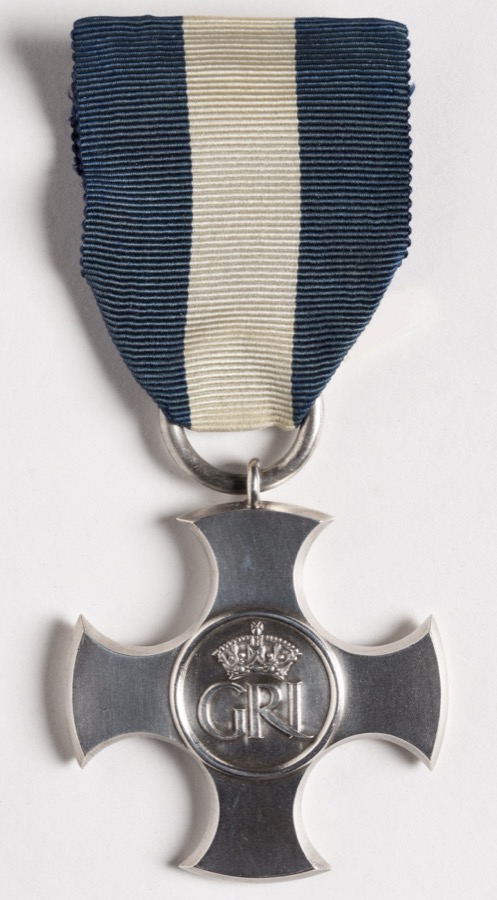
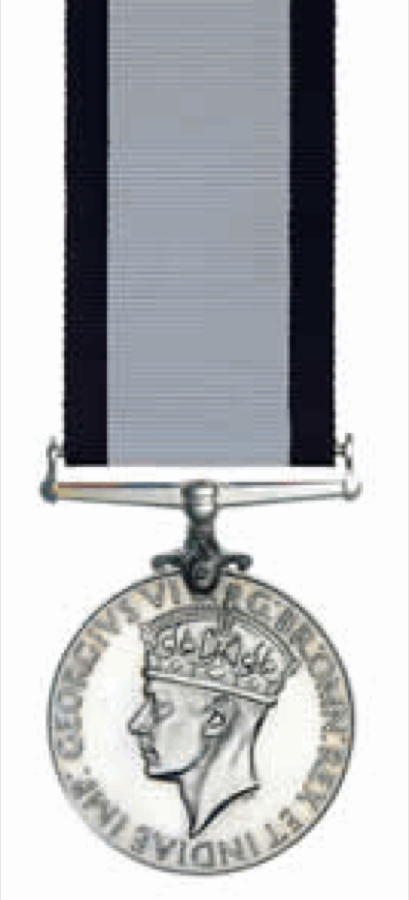
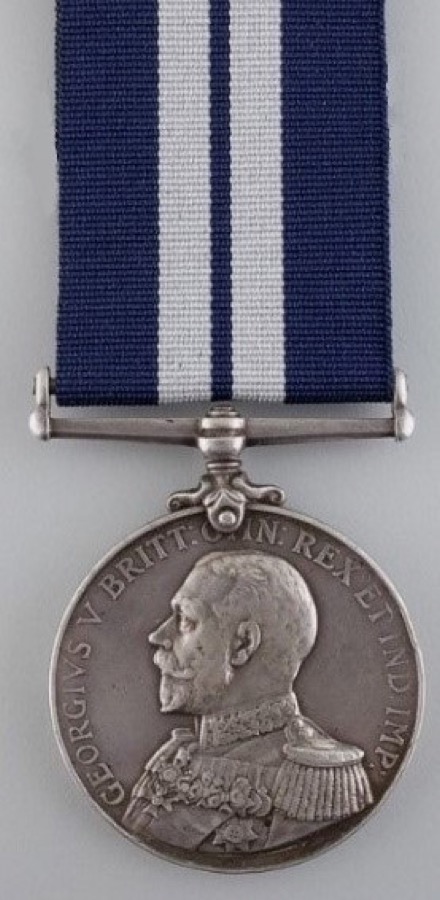
649 personnel entries ↗ contain award or Mentioned in Despatches wording. A medal, a bar, an appointment and a mention are not interchangeable.

Recognition categories · matching personnel entries

Showing the 8 largest categories of 13. Full counts below.

Read the data table ↗
Recognition categories · matching personnel entries — all categories
CategoryCount
Mentioned in Despatches →327
Distinguished Service Medal →177
Distinguished Service Cross →100
Distinguished Service Order →20
British Empire Medal →7
Bar to D.S.M. →4
Conspicuous Gallantry Medal →3
M.B.E. →3
O.B.E. →3
Croix de Guerre →2
Awarded (other) →1
Battle honour →1
Bar to D.S.O. →1
Read the distinction

327 ↗
entries classified as Mentioned in Despatches.

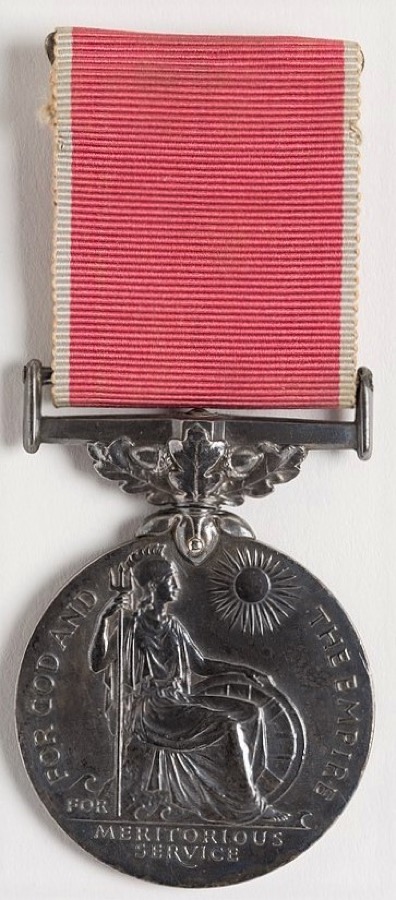
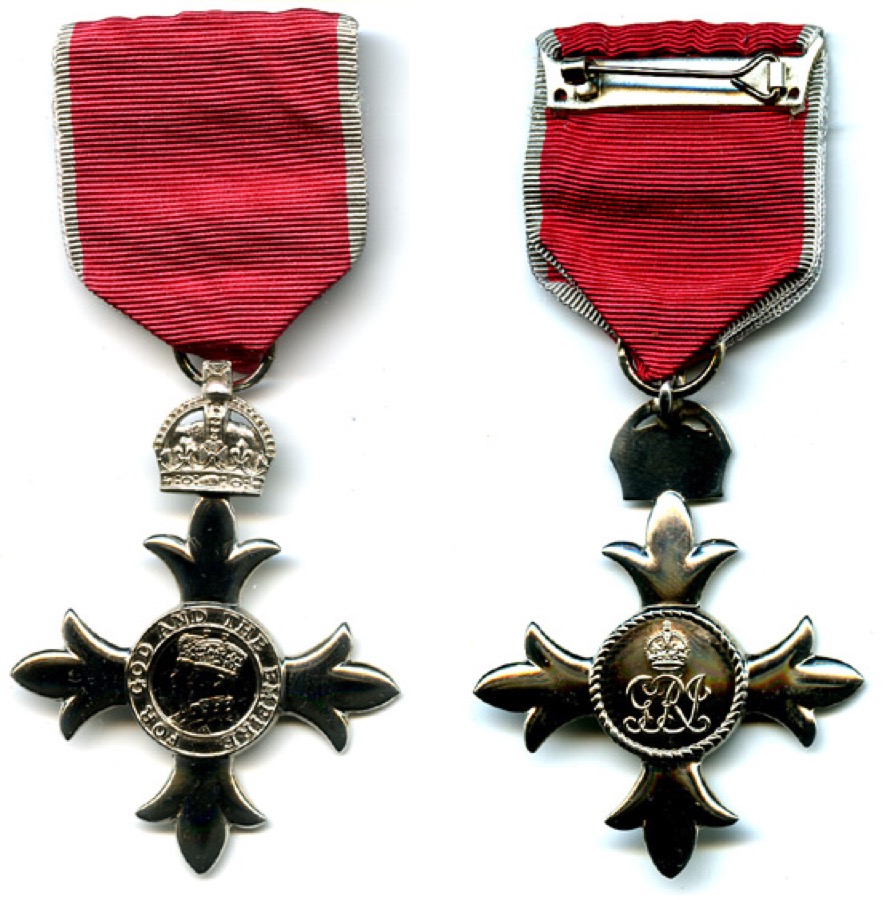
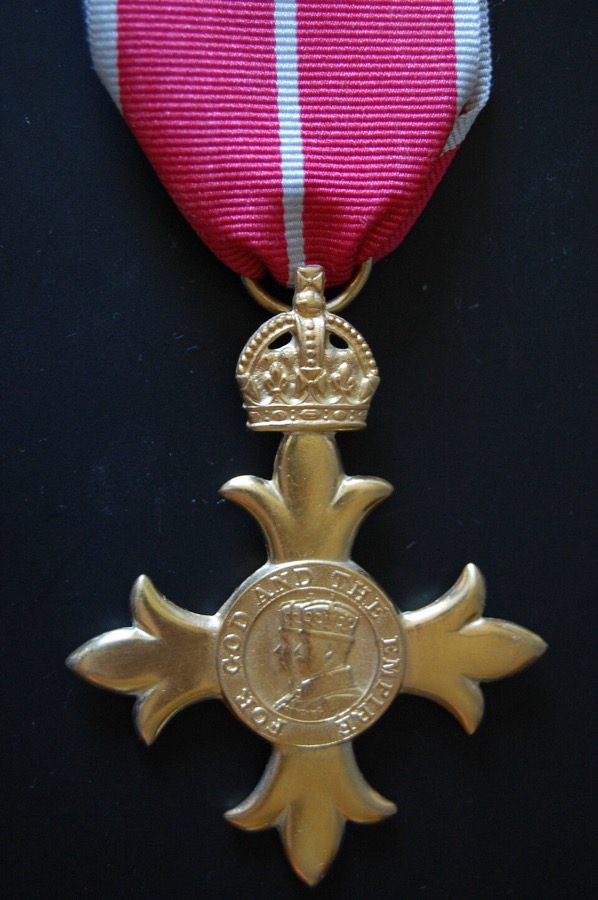
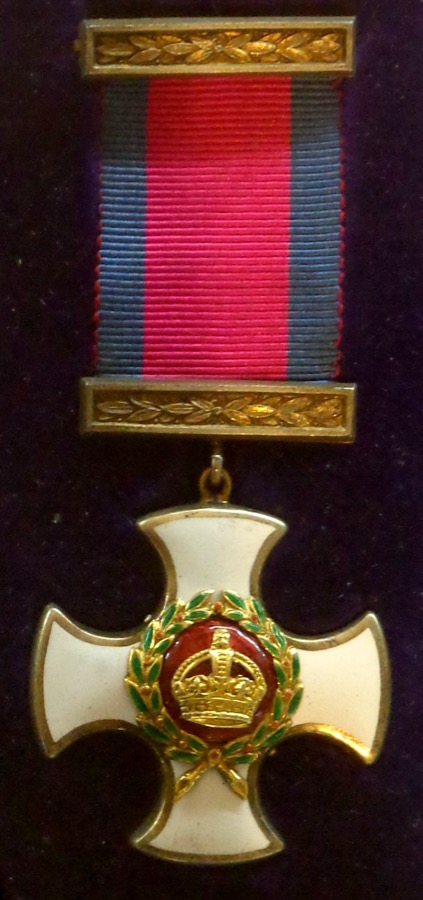
A mention is recognition in an official report, not a separate medal. A bar records an additional award of a decoration. The illustrations below link to the existing guide and its descriptions.

Each matching entry is assigned its first recognised category, with bars checked before the underlying decoration. Entries can mention more than one honour, and individuals may recur. These bars are not totals of medals issued or unique recipients.

Read the medals and awards records →
07 / WORKING LIVES

An evacuation also needed
engines, meals and skilled hands.

The T.124 agreement index offers a different lens: the capacity in which a person was engaged, rather than their place in a roll of honours.

99 ↗agreement entries
currently indexed

Charge hands, enginemen, mates, deck hands and cooks appear alongside skippers and masters. The role names expose the practical work behind the vessel names.

Combined roles such as “COOK DECK HAND” are kept intact: one entry is not counted twice. Spelling variants remain visible rather than silently corrected.

Only 2 entries have a signing date recorded in the structured date field. This is not enough to build a credible recruitment timeline. Agreements are not a census of Dynamo crews. Explore undated entries →

Read the T.124 agreements →
Capacity engaged · agreement entries

Showing the 9 largest categories of 17. Full counts below.

Read the data table ↗
Capacity engaged · agreement entries — all categories
CategoryCount
CHARGE HAND →20
ENGINEMAN →20
MATE →11
DECK HAND →9
COOK DECK HAND →8
SKIPPER →7
ENGINEER →5
MASTER →5
NOT RECORDED →4
HAND →2
A.B. →2
COOK →1
DECK MAN →1
2ND HAND →1
COOK HAND →1
CHARGE →1
ENGINEMAND →1
08 / THE ARCHIVE BEHIND THE NUMBERS

A mosaic of evidence.
Not one master list.

22 publicly listed collections contain 8,720 page/index entries ↗. Some are scans; others are independent research summaries. A count of pages is not a count of historical events.

TNA

ADM 116/4649

344page entriesImage collection · viewing rules applyView counted page entries ↗
TNA

ADM 199/788 A

120page entriesImage collection · viewing rules applyView counted page entries ↗
NMM

940.542.1 1940 Orde vol i

436page entriesIndex / summary access · source images restrictedView counted page entries ↗
NMM

940.542.1 1940 Orde vol ii

456page entriesIndex / summary access · source images restrictedView counted page entries ↗
NMM

940.542.1 1940 Orde vol iii

380page entriesIndex / summary access · source images restrictedView counted page entries ↗
TNA

ADM 199/788 B

20page entriesImage collection · viewing rules applyView counted page entries ↗
TNA

RED LIST INDEX 1939 40

321page entriesImage collection · viewing rules applyView counted page entries ↗
TNA

ADM 199/792

1,051page entriesImage collection · viewing rules applyView counted page entries ↗
TNA

ADM 199/790

1,119page entriesImage collection · viewing rules applyView counted page entries ↗
TNA

ADM 234/360

243page entriesImage collection · viewing rules applyView counted page entries ↗
TNA

ADM 199/795

731page entriesImage collection · viewing rules applyView counted page entries ↗
TNA

ADM 334/83

71page entriesImage collection · viewing rules applyView counted page entries ↗
TNA

Unclassified 1

724page entriesImage collection · viewing rules applyView counted page entries ↗
TNA

ADM 199/xxx

425page entriesImage collection · viewing rules applyView counted page entries ↗
TNA

CAB 103/191

134page entriesImage collection · viewing rules applyView counted page entries ↗
TNA

MT 40/36

268page entriesImage collection · viewing rules applyView counted page entries ↗
TNA

MT 40/66

389page entriesImage collection · viewing rules applyView counted page entries ↗
TNA

MT 40/36 Pt 2

334page entriesImage collection · viewing rules applyView counted page entries ↗
Internet Archive / Lloyd’s Register Foundation Heritage Centre

LLOYDS REGISTER 1939 IMAGES

927page entriesImage collection · viewing rules applyView counted page entries ↗
TNA

ADM 199/2429

167page entriesImage collection · viewing rules applyView counted page entries ↗
The Gazette

GAZETTE 35305

36page entriesImage collection · viewing rules applyView counted page entries ↗
The Gazette

GAZETTE 38017

24page entriesImage collection · viewing rules applyView counted page entries ↗

Bars use a common scale relative to the largest collection. Collections with images enabled account for 7,448 entries ↗; availability and resolution of an individual image still depend on viewing rules and your permissions. Hidden collections and private contributions are excluded.

Research beyond the evacuation window

Before, during,
and after Dynamo.

Lloyd’s 1939 yacht register offers a pre-war reference point. Operational reports document the emergency. Service lists and later correspondence help trace employment, recognition and the construction of the historical record.

The supporting indexes are broader finding aids, not additional confirmed Dynamo participants. They overlap with each other and must not be added to the vessel-name total.

RESEARCH NOTES

How to read these numbers.

The most useful statistic is one you can trace, question and reproduce.

What this page can tell you

  • How the historical table divides embarkations by date and location.
  • Which research indexes complement each other.
  • What measurements and roles look like within documented subsets.
  • Where gaps in the evidence suggest useful future research.

What the live index cannot establish

  • A complete, deduplicated census of ships or participants.
  • Vessel survival rates, human casualty rates or the busiest day of the full evacuation.
  • Unique evacuees carried by adding movement rows or animation journeys.
  • That absence from an index means absence from Dunkirk.
Definitions, source tables and calculation rules

The opening historical series is a curated numerical transcription of the grand-total row of Naval Staff History Table 2 (ADM 234/360, archive page entry 237). Its nine daily totals reconcile to 338,226 and match the historical cumulative series used on the map. Harbour/beach shares, cumulative totals and the two-day share are calculated from those figures. This fixed source series is independent of the refreshed database aggregates below.

Vessel names and overlap
adls_registry and orde_registry, nonblank ship names, trimmed and uppercased; “(YACHT NOT NAMED)” excluded. 2,251 vessel-register rows reduce to 2,168 name keys; Orde contributes 740 keys. A shared key is counted once. No automatic alias or identity reconciliation.
Types, dimensions and age
One unambiguous nonempty type, parseable length or valid build year per vessel-register name. Conflicting usable values are excluded from measurements; ambiguous annotations are not interpreted. Type labels retain original spelling and capitalisation. Build years must be four digits, 1800–1940. Medians describe available subsets, not the entire fleet.
People, ranks, medals and awards
orde_registry rows with nonblank person, without deduplication. Branch punctuation is normalised; explicit sub-lieutenant titles correct generic rank coding. Recognition rows match “Awarded” or “Mentioned in Despatches” in details, with one category per row: bars, recognised decorations, other honours, mentions, then other awards. Wording-based classification is not a verified roll of recipients.
Movements
operation_dynamo_trips, classified in order: excluded flag; outcome text containing assumed, inferred or illustrative; stationary/location-only; neither timestamp within 26 May inclusive to 5 June exclusive; attempt; dated movement. Each stored row is classified once. No animation-only returns are generated. Dates use an in-window departure first, otherwise arrival. Rows are entries, not reconciled voyages.
Losses
operation_dynamo_losses, grouped by the same normalised vessel-name rule. Cause labels are preserved; conflicting nonempty causes form a separate category. Best location precision and earliest date are chosen independently within each name group. The full loss index, including undated entries, is the denominator for precision.
Agreements and collections
know_t124 rows are agreement entries; roles trimmed and uppercased. Publicly visible collections with counts of related collection_images supply page totals, including restricted summary entries. Supporting counts come from small_craft_service_list, red_list and lloyds_yacht_1939. No account, subscriber, notification-token or private-submission data is queried.
Refresh and rounding
Aggregates are cached for 15 minutes and recalculated on a subsequent visit. Percentages use the stated denominators, rounded to one decimal place. Empty data yields zero counts or an em dash for a missing median.
Source guide: follow the evidence
  • ADM 116/4649 — Operation Dynamo reports and recommendations for awards, volume 2 (1940–1942), documenting service during the Dunkirk evacuation and the cases submitted for official recognition.
  • ADM 199/788 A — Admiralty records of Operation Dynamo and the evacuation of troops from Dunkirk, part A, dating from 1940.
  • 940.542.1 1940 Orde vol i — Volume I of Lt Col G. P. Orde’s alphabetical research report on vessels associated with Operation Dynamo. This site provides independently written summaries and factual index metadata, not source images or transcriptions.
  • 940.542.1 1940 Orde vol ii — Volume II of Lt Col G. P. Orde’s alphabetical research report on vessels associated with Operation Dynamo. This site provides independently written summaries and factual index metadata, not source images or transcriptions.
  • 940.542.1 1940 Orde vol iii — Volume III of Lt Col G. P. Orde’s alphabetical research report on vessels associated with Operation Dynamo. This site provides independently written summaries and factual index metadata, not source images or transcriptions.
  • ADM 199/788 B — Admiralty records of Operation Dynamo and the evacuation of troops from Dunkirk, part B, dating from 1940.
  • RED LIST INDEX 1939 40 — A project index to the Admiralty Red List for 1939–1940, used to locate vessels, commands and page references in the wartime lists and compare them with related records.
  • ADM 199/792 — Admiralty records concerning Operation Dynamo and the evacuation of troops from Dunkirk, covering 1940–1941.
  • ADM 199/790 — Admiralty records concerning Operation Dynamo and the evacuation of troops from Dunkirk, dating from 1940.
  • ADM 234/360 — Naval Staff History No. 41, the official historical study of the evacuation from Dunkirk during Operation Dynamo, 26 May–4 June 1940, dated 1949.
  • ADM 199/795 — Admiralty reports on naval operations off the Dutch, Belgian and French coasts during 1940.
  • ADM 334/83 — Little Ships Club correspondence and personal accounts relating to the Dunkirk evacuation, covering 1940–1941.
  • Unclassified 1 — A working collection of Operation Dynamo source material whose definitive National Archives catalogue reference is still being identified.
  • ADM 199/xxx — A working collection of Admiralty Operation Dynamo material whose full ADM 199 catalogue reference is still being identified.
  • CAB 103/191 — Cabinet Office papers concerning the proposed publication of a book about Operation Dynamo and the 1940 evacuation from Dunkirk, dating from April 1949 to February 1950.
  • MT 40/36 — Ministry of Transport papers on Dynamo war planning, the “E” scheme pool of small craft for special service, and the procedure for settling claims, covering 1944–1945.
  • MT 40/66 — Ministry of Transport records containing a Dynamo vessel list and reports from masters and crews engaged in the evacuation, covering 1940–1947.
  • MT 40/36 Pt 2 — A second digitised section of MT 40/36: Ministry of Transport papers on the Dynamo small-craft pool, special-service planning and claims procedure.
  • LLOYDS REGISTER 1939 IMAGES — The complete 1939 Lloyd’s Register of Yachts, presented as page images with machine-extracted table data for research and cross-reference with indexed vessel records.
  • ADM 199/2429 — Admiralty Small Craft Service List pages recording the wartime employment and service details of requisitioned and auxiliary craft.
  • GAZETTE 35305 — The London Gazette Supplement 35305: General Viscount Gort’s despatches covering the British Expeditionary Force in France and Belgium, 1939–40. OCR is stored for searching; the public table shows short research extracts and small page previews.
  • GAZETTE 38017 — The London Gazette Supplement 38017: Vice-Admiral Bertram Ramsay’s despatch on the evacuation of the Allied armies from Dunkirk and neighbouring beaches. OCR is stored for searching; the public table shows short research extracts and small page previews.

Historical evacuation total and dates: Naval Staff History, Table 2. Consult the source in the archive for the original study’s categories and qualifications; those source-table totals are not substituted for the live index counts above.

The next discovery may be
a name you already know.

Search the archive →Back to the top ↑